Everest Base Camp Trek - Classic Route to the Foot of Everest
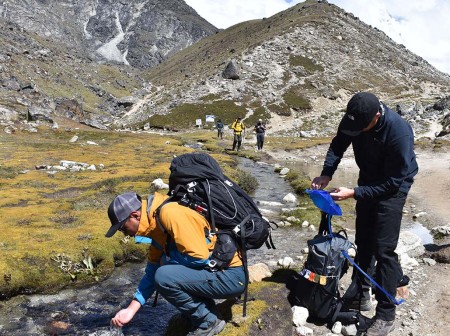
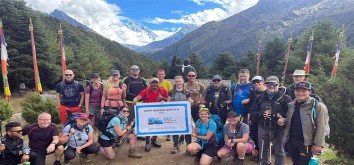
Follow the legendary route to Everest Base Camp through vibrant Sherpa villages, sacred monasteries, and high mountain trails etched with mountaineering history. Share the path with yak caravans, spin prayer wheels, and witness daily life in the Khumbu as you ascend to panoramic viewpoints few ever reach.
Price: Starting from USD 1499 (Group Discounts and offer dates available)
Download this printable Everest Base Camp Trek Snapshot to keep key details offline or share them with friends.
📍Key Details
- Duration: ~15 days total (11 days trek)
- Max Altitude: 5,364 m / 17,598 ft – 5,545 m / 18,192 ft (Kala Patthar)
- Trek Difficulty: Moderate Adventure
- Best Seasons: February to May and September to December
- Accommodation Types: 3-star Hotel, Glamping, Teahouses
(Upgrades to better hotels, AC rooms in Manthali, or premium teahouses available at an extra cost)
- Rooming Type: Twin-share (single upgrade available)
- Group Size: 1 to 14 trekkers (private & group)
- Departures: Fixed dates, private trek, or create your own
- Average Hike Duration: ≈ 6 hours/day
- Total Distance: ≈ 130 km / 80.7 miles
- Start/End Point: Kathmandu
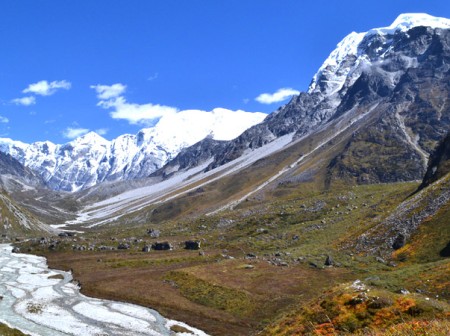
The Everest Base Camp Trek is a high-altitude adventure that takes you deep into Nepal’s Khumbu region, leading to the foot of the world’s tallest mountain at 5,364 meters. Over 11 days of trekking, you’ll hike through alpine forests, Sherpa villages, suspension bridges, and glacier valleys, all framed by dramatic peaks like Ama Dablam, Lhotse, and Everest itself.
This trek is ideal for fit travelers seeking a rewarding challenge that doesn't require technical climbing. Whether you’re a first-time high-altitude trekker or a seasoned hiker, the route offers a powerful blend of natural beauty, cultural depth, and personal accomplishment. It’s especially meaningful for those inspired to walk in the footsteps of mountaineering pioneers and experience the rhythm of daily life in the Himalayas.
The trail remains the most iconic trek in Nepal for good reason: it’s well-supported with teahouse accommodation, rich in local culture, and structured with acclimatization days that prioritize your safety. With experienced Sherpa guides, ethical practices, and detailed logistics, we make sure you’re well taken care of from start to finish. Backed by the trusted service of Sole Encounters Adventures, your journey to Everest Base Camp isn’t just achievable; it will be unforgettable.
Why trek to Everest Base Camp with us
-
Expert Local Sherpa Guides: Our licensed guides are from the Everest region, trained in high-altitude safety, and deeply connected to the terrain and culture. Their experience ensures you're in capable, trusted hands every step of the way.
-
Small Groups and Private Treks: We keep group sizes between 1 and 14 trekkers to ensure personal attention, better pacing, and a more flexible, comfortable experience. Private departures can be customized to suit your needs.
-
Realistic Acclimatization and Pacing: Our itineraries are designed with altitude in mind. Built-in rest days, gradual elevation gain, and conservative pacing reduce risk and improve your chances of a successful and enjoyable trek.
-
Ethical and Responsible Trekking: We provide fair wages, proper gear, and insurance for all staff. We follow leave-no-trace principles, support local businesses, and give back to the mountain communities through the Sole Encounters Foundation.
-
Transparent Pricing and Full Support: No hidden costs, no upselling on the trail. From permits and flights to accommodation and meals, we handle the details so you can focus on the experience.
-
Highly Rated by Trekkers Worldwide: Sole Encounters Adventures is consistently praised for safety, professionalism, and genuine care. Our guides are not just skilled, they’re among the highest-reviewed teams in the region.
⭐ What Trekkers Say
“We felt supported every step of the way, our guide was knowledgeable, patient, and made sure we were safe and comfortable. Reaching base camp was a dream come true.”
— Watch the full testimonial on YouTube
📍 Read verified reviews from fellow trekkers:
🔒 Our Safety Commitment
At Sole Encounters Adventures, your safety is our highest priority. Every trek includes:
✅ Licensed, first-aid-certified Sherpa guides
✅ Built-in acclimatization days and conservative pacing
✅ 24/7 communication and backup from our Kathmandu team
✅ Proper staffing for safe and fun group dynamics:
-
1 Main Guide
-
1 Assistant Guide per 6 trekkers
-
1 Porter for every 2 trekkers
✅ Emergency coordination for helicopter evacuation if required
✅ All staff insured, well-equipped, and treated fairly
We operate with care, preparation, and professionalism, so you can focus on the journey with total confidence.
Day-by-Day Itinerary
Day 1: Arrival in Kathmandu (1,400 m / 4,593 ft)
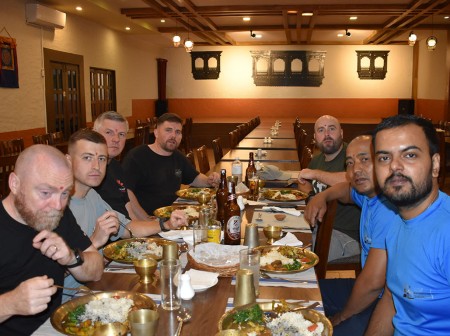
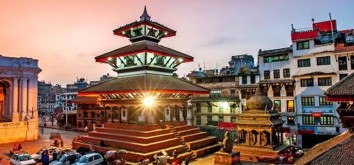
Arrive in Nepal and meet our team at the airport for a warm welcome and smooth transfer to your hotel. In the evening, join a group briefing to discuss the trek and enjoy a welcome dinner with your guides. Kathmandu’s buzzing energy sets the stage for the adventure ahead.
Included Meals: Welcome Dinner | Accommodation: 3-star Hotel
Day 2: Drive to Manthali (1,050 m / 3,445 ft)
In recent years, Nepal’s Civil Aviation Authority (CAAN) has moved all Lukla flights to depart from Manthali during peak seasons. While most companies opt for a midnight transfer, we prioritize your safety and comfort with a relaxed daytime drive.
This 5–6 hour journey winds through scenic hills, riverside roads, and rural villages, offering a great first glimpse of Nepal’s countryside. You’ll arrive rested, settle into a private riverside glamping tent, and prepare for the next day’s flight into the mountains.
Included Meals: Breakfast | Accommodation: Glamping (Private tented camp)
Day 3: Fly to Lukla (2,860 m / 9,383 ft) & Trek to Phakding (2,610 m / 8,563 ft)
Enjoy a short mountain flight into Lukla, then begin your trek with an easy walk through pine forests and Sherpa villages. Follow the Dudh Koshi River across suspension bridges and carved prayer stones toward Phakding.
Trek Duration: 4 hrs | Included Meals: B, L, D | Accommodation: Teahouse
Day 4: Trek to Namche Bazaar (3,440 m / 11,286 ft)
Cross several high bridges and pass Monjo village to enter Sagarmatha National Park. A steady uphill trail brings you to Namche Bazaar, the heart of Sherpa culture and the region’s most vibrant village.
Trek Duration: 6–7 hrs | Included Meals: B, L, D | Accommodation: Teahouse
Day 5: Acclimatization in Namche
Take a short hike to Everest View Hotel or Syangboche ridge for stunning mountain panoramas. Later, enjoy coffee in a local café or visit the Sherpa Culture Museum and National Park Visitor Center.
Trek Duration: 2–3 hrs | Included Meals: B, L, D | Accommodation: Teahouse
Day 6: Trek to Tengboche (3,860 m / 12,664 ft)
Follow a beautiful ridge trail with mountain views before descending into the forest and crossing the river. A final climb leads to Tengboche, home to Khumbu’s most iconic monastery.
Trek Duration: 5–6 hrs | Included Meals: B, L, D | Accommodation: Teahouse
Day 7: Trek to Dingboche (4,410 m / 14,469 ft)
Descend through rhododendron woods and cross the Imja River. Trek through Pangboche, then rise into the expansive fields and stone-walled terraces of Dingboche.
Trek Duration: 5–6 hrs | Included Meals: B, L, D | Accommodation: Teahouse
Day 8: Acclimatization in Dingboche
Hike toward Nangkartshang Peak (optional) for amazing views of Makalu and the Imja Valley. Spend the rest of the day resting, hydrating, or exploring the quiet, high-altitude village.
Trek Duration: 2–3 hrs | Included Meals: B, L, D | Accommodation: Teahouse
Day 9: Trek to Lobuche (4,910 m / 16,109 ft)
Follow a gradual trail toward the terminal moraine of the Khumbu Glacier. After a steep climb past memorials at Thukla, continue into the rocky landscape of Lobuche.
Trek Duration: 5–6 hrs | Included Meals: B, L, D | Accommodation: Teahouse
Day 10: Trek to Gorak Shep (5,164 m / 16,942 ft) & Everest Base Camp (5,364 m / 17,598 ft)
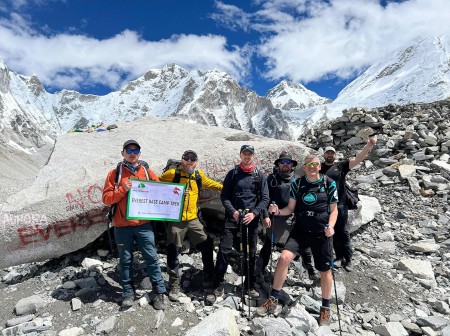
Trek beside the Khumbu Glacier to reach Gorak Shep, then push onward to Everest Base Camp. Stand at the foot of the highest mountain on Earth, surrounded by ice, stone, and prayer flags.
Trek Duration: 7–8 hrs | Included Meals: B, L, D | Accommodation: Teahouse
Day 11: Hike Kala Patthar (5,550 m / 18,209 ft) & Trek to Pheriche (4,280 m / 14,042 ft)
Start early for a steep climb to Kala Patthar, one of the best viewpoints of Everest at sunrise. After soaking in the views, descend past Lobuche and continue down to the flatter valley of Pheriche.
Trek Duration: 7–8 hrs | Included Meals: B, L, D | Accommodation: Teahouse
Day 12: Trek to Namche Bazaar (3,440 m / 11,286 ft)
Retrace your steps through alpine terrain and hillside villages. With more oxygen and lighter packs, the descent to Namche feels easier and rewarding.
Trek Duration: 6–7 hrs | Included Meals: B, L, D | Accommodation: Teahouse
Day 13: Trek to Lukla (2,860 m / 9,383 ft)
Return along the scenic river valley, crossing familiar bridges and passing through Phakding. Celebrate the completion of your trek with your guide and porter team.
Trek Duration: 6–7 hrs | Included Meals: B, L, D | Accommodation: Teahouse
Day 14: Fly to Manthali & Drive to Kathmandu (1,400 m / 4,593 ft)
Take an early flight from Lukla to Manthali, then drive back to Kathmandu. Enjoy a relaxing afternoon followed by a celebratory farewell dinner.
Included Meals: Breakfast, Farewell Dinner | Accommodation: 3-star Hotel
Day 15: Final Departure
After breakfast, we’ll transfer you to the airport for your international flight. Leave Nepal with unforgettable memories and mountain views etched in your mind.
Included Meals: Breakfast
✅ Inclusions
Accommodation (Twin-sharing basis):
-
2 nights in a standard hotel in Kathmandu
-
1 night glamping in Manthali
-
11 nights in local teahouse lodges during the trek
Included Meals:
-
Breakfasts at the hotel in Kathmandu
-
Breakfast, lunch, and dinner during the trek
-
Welcome and farewell dinners in Kathmandu
Trekking Crew (with insurance):
-
1 Main Trek Guide
-
1 Assistant Guide per 5 trekkers (1:6 ratio)
-
1 Porter for every 2 trekkers (1:2 ratio)
-
Solo travelers will be accompanied by a Guide-Cum-Porter
Transport:
-
Airport pickup and drop-off
-
Private transfer to/from Manthali
-
Two-way domestic flights:
-
Manthali–Lukla–Manthali, or
-
Kathmandu–Lukla–Kathmandu (depending on season and availability)
-
Permits & Entry Fees:
-
Sagarmatha National Park Entry Permit
-
Pasang Lhamu Rural Municipality Entry Fee
Preparation & Briefings:
-
Pre-arrival call or coordination (on request)
-
Pre-departure briefing in Kathmandu
Safety, Support & Recognition:
-
A basic first aid kit carried by the guide
-
Ground-level operations team monitoring and liaison support
-
Oximeter checks for altitude awareness
-
Official Certificate of Completion after successfully finishing the trek
Gear Support:
-
Porter duffel bag for use during the trek
❌ Exclusions
Travel & Documentation:
-
International flights to and from Nepal
-
Nepal visa fees (obtainable on arrival at Kathmandu airport)
Personal Equipment & Essentials:
-
Personal trekking gear (can be rented or purchased in Kathmandu)
-
Personal items such as laundry, toiletries, or souvenirs
-
Travel insurance (must include high-altitude trekking and emergency evacuation)
Trail Services (Pay-as-you-go):
-
Hot showers, Wi-Fi, and device charging in teahouses
-
Bottled water, extra beverages, and snacks outside of included meals
Gratuities & Optional Costs:
-
Tips for guides, porters, and drivers (optional but appreciated)
-
Optional activities or services not mentioned in the itinerary
Unforeseen Expenses:
-
Costs arising from natural disasters, flight cancellations, or medical evacuation
-
Early departure or changes to the itinerary due to personal or group health conditions
💡 The Sole Encounters Difference
When you trek with Sole Encounters Adventures, you’re not just booking a trip; you’re joining a journey designed for safety, support, and a real Himalayan experience.
We audit every hotel and teahouse we work with to ensure consistent standards for room cleanliness, food hygiene, and guest safety. This means you can expect well-prepared meals and comfortable, reliable stays throughout the trek.
What sets us apart:
-
Thoughtfully structured itineraries with built-in acclimatization
-
Fair wages, proper insurance, and equipment for every crew member
-
Highly reviewed, licensed guides with deep local expertise
-
Transparent communication and full logistical support from start to finish
-
Give back to the community through the Sole Encounters Foundation
This is more than just a trek, it’s a demanding and rewarding journey. Our role is to help you complete it safely, confidently, and with memories that last a lifetime.
🛏️ Accommodation & Meals
Throughout the trek, you’ll stay in locally run teahouses, simple but clean lodges that offer a warm bed, hearty meals, and mountain hospitality. Rooms are typically twin-share with basic bedding; at higher altitudes, heating is limited, and shared bathrooms are the norm. Private rooms may be available at lower elevations for an extra cost.
In Kathmandu, you’ll stay in a comfortable 3-star hotel with modern amenities. In Manthali, we provide private glamping-style tents for a restful night before your mountain flight.
Meals on the trail are freshly prepared and served hot at the teahouses. You’ll have access to a mix of local and international options like dal bhat, noodles, pasta, rice, and soups. While variety narrows at higher altitudes, portions remain generous and energizing. We also cater to vegetarian and dietary preferences with advance notice.
🏃♂️ Difficulty, Fitness & Preparation
The Everest Base Camp Trek is physically demanding but achievable for most healthy individuals with a moderate level of fitness. You’ll be trekking for 11 consecutive days, walking 5 to 7 hours per day on varied terrain, with gradual altitude gain.
No technical climbing skills are required, but stamina and consistency are key. We recommend preparing with regular hikes, cardio workouts, and leg-strengthening exercises for at least 6 to 8 weeks before the trek. Practicing with a loaded daypack will also help.
Mental readiness is just as important. Altitude, weather, and trail conditions can be unpredictable, so patience, positivity, and pacing are essential. Our guides are trained to support you throughout, with regular check-ins, rest stops, and adjustments as needed.
This trek is suitable for first-time high-altitude trekkers who train properly and follow the acclimatization plan. If you come prepared, you don’t need to be a pro, you just need to be determined.
⛰️ Altitude & Safety
Altitude is the most important factor on the Everest Base Camp Trek. The route takes you from 2,600 m (8,500 ft) to a maximum of 5,550 m (18,209 ft) at Kala Patthar, where oxygen levels are significantly lower than at sea level.
Our itinerary includes two acclimatization days in Namche Bazaar and Dingboche, to allow your body to adjust gradually. We follow the principle of “climb high, sleep low” and maintain a conservative daily ascent rate to reduce risk.
Our guides are trained in altitude awareness and first aid. They monitor trekkers closely for signs of Acute Mountain Sickness (AMS) and adjust the pace, schedule, or altitude accordingly. We carry a basic first aid kit and oximeter, and our team maintains communication with our operations base.
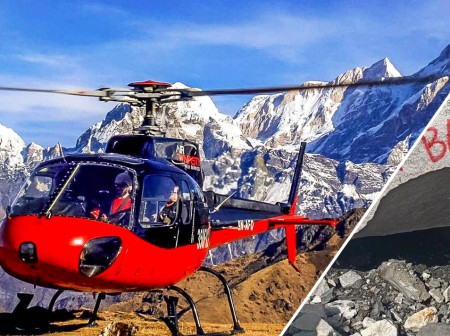
In the rare event of serious altitude sickness or injury, emergency evacuation by helicopter can be arranged (insurance required). Safety decisions are always made in your best interest.
With our itinerary, support, and awareness, most healthy trekkers will manage the altitude safely and successfully.
📅 Best Time to Trek Everest Base Camp
The best seasons for the Everest Base Camp Trek are spring (March to May) and autumn (September to November). Both offer stable weather, clear mountain views, and ideal conditions for trekking.
Spring brings warmer temperatures, blooming rhododendrons, and a vibrant atmosphere with Everest expedition activity at base camp. It's a great time for photography and moderate daytime hiking.
Autumn offers crisp air and crystal-clear skies after the summer monsoon. This is the most popular season, with dry trails and consistently excellent visibility.
Winter (December to February) is quieter and colder. Views are still stunning, but higher sections of the trail can be icy or snow-covered. Suitable for experienced trekkers comfortable in extreme cold.
Monsoon (June to August) is the least recommended period due to heavy rainfall, cloud cover, leeches in the lower trails, and frequent Lukla flight disruptions.
We recommend planning your trek during spring or autumn for the best overall experience. Let us know your travel window, and we’ll guide you on choosing the right dates.
🗂️ Permits & Logistics
To complete the Everest Base Camp Trek, two permits are required:
-
Sagarmatha National Park Entry Permit
-
Khumbu Pasang Lhamu Rural Municipality Permit
Both are included in your package and arranged by our team before the trek begins. You won’t need to worry about lining up or filling out forms. We handle it for you.
Flights to Lukla operate either from Kathmandu or Manthali, depending on the season and air traffic regulations. During spring and autumn, flights typically depart from Manthali. We provide private road transport to and from the airport.
Flight schedules to Lukla are weather-dependent. Delays are common, so we build flexibility into the itinerary and assist with rebooking or arranging helicopter alternatives if needed (extra cost applies).
All luggage not needed on the trek can be safely stored at your hotel in Kathmandu. Porters carry your trekking duffel, while you hike with a daypack containing essentials.
We coordinate every detail, flights, transfers, permits, and briefings, so you can focus on the trail ahead.
🎒 Packing Essentials
Packing smart is key for comfort, performance, and altitude readiness. Here’s a quick overview of what you’ll need:
Clothing Layers:
-
Moisture-wicking base layers (top and bottom)
-
Insulating mid-layer (fleece or down jacket)
-
Waterproof shell jacket and pants
-
Lightweight trekking pants and T-shirts for lower altitudes
-
Warm hat, sun hat, gloves (liner + insulated), neck gaiter or buff
Footwear:
-
Well-broken-in waterproof trekking boots with ankle support
-
Comfortable camp shoes or sandals for evenings
-
Wool or synthetic trekking socks (3–4 pairs)
Gear & Accessories:
-
Sleeping bag (rated to at least -10°C / 14°F)
-
Daypack (25–35L) with rain cover
-
Reusable water bottles (minimum 2L capacity) or hydration bladder
-
Headlamp with spare batteries
-
Sunglasses (UV-protective), sunscreen, lip balm
-
Trekking poles (strongly recommended)
Available in Kathmandu:
Most essential gear, including sleeping bags, down jackets, and poles, can be rented or purchased in Thamel before the trek.
What Not to Overpack:
Avoid carrying extra gadgets, bulky clothes, or too many toiletries. Keep it light, our porters carry your duffel, but weight is limited to 12 kg (26.5 Lb) per trekker.
We’ll provide a detailed packing checklist upon booking and review it with you during your pre-trek briefing.
❓Frequently Asked Questions
Is the Everest Base Camp Trek difficult?
The trek is physically demanding but doesn’t require technical climbing. With proper fitness, acclimatization, and pacing, most healthy individuals can complete it successfully.
Can beginners do this trek?
Yes. First-time trekkers with good fitness and preparation can complete the trek. Our itinerary is designed for gradual altitude gain, and our guides support you throughout.
How cold does it get on the trail?
Temperatures can drop to -10°C (14°F) or lower at higher altitudes, especially at night. Days are warmer when the sun is out. We’ll help you prepare with the right gear.
Do I need a guide for this trek?
Yes. Trekking with a licensed guide is required by local regulations and highly recommended for safety, navigation, and logistics.
Can I join as a solo traveler?
Absolutely. Solo trekkers are welcome and can join fixed group departures or request a private trek. You’ll be matched with a guide and porter.
What kind of insurance do I need?
You must have travel insurance that covers high-altitude trekking (up to 6,000 m) and emergency helicopter evacuation. We’ll verify your coverage before departure.
Are meals safe on the trail?
Yes. We only partner with teahouses that follow safe food handling practices. Meals are prepared fresh and served hot.
Will I have access to electricity and Wi-Fi?
Most teahouses offer device charging and limited Wi-Fi for a small fee. Availability and speed may vary, especially at higher elevations.
What is the group size?
Group size ranges from 1 to 14 trekkers. We keep groups small to maintain quality, flexibility, and individual attention.
How do I book this trek?
You can contact us to join a scheduled departure or request a private trek. We’ll guide you through the process and provide all necessary details.
🚶♀️ Ready to Trek to Everest Base Camp?
Trekking to Everest Base Camp is more than just reaching a destination—it's a high-altitude adventure through some of the most legendary terrain on Earth. With expert Sherpa guides, well-paced itineraries, and reliable mountain logistics, Sole Encounters Adventures helps you take on this challenge with confidence and purpose.
Whether you're planning a solo journey or joining a group, we’re here to guide your every step—from preparation to summit views.
📩 Email: info@soleencounterstrek.com
🌐 Website: www.soleencounterstrek.com
💬 WhatsApp: +977-9808979061
Peak season seats fill fast. Reach out now to secure your place and take the first step toward one of the world’s greatest trekking adventures.